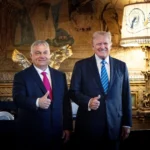
The key person in charge of pitching financial markets on some of President Donald Trump’s riskiest economic bets, including trade negotiations with China, global tariffs, and plans to appoint a new head of the US central bank, has been US Treasury Secretary Scott Bessent. The White House wager on Argentina, however, might be Bessent’s most difficult assignment.
In response to a decline in the Argentine peso, which officials believed may jeopardize Trump supporter President Javier Milei and his party in the impending midterm elections, the US intervened in mid-September. Bessent referred to the US as a vital regional ally and stated that the US would take any necessary steps to stabilize the situation. A sporadic decision, particularly from a White House renowned for its “America First” stance, was the involvement in Argentina.
Milei’s support for extreme budget cutbacks and free-market reforms has won him over conservatives in the US. Trump has referred to him as his “favourite president” during their numerous meetings.
However, Brad Setser, senior fellow at the Council on Foreign Relations, notes that direct purchases of a faltering emerging market currency are unique and that the US has rarely provided financial bailouts to foreign nations, particularly in situations that did not represent broader concerns to financial stability.
Also Read:
In Texas, a Deadly Measles Outbreak Does little to Dispel Vaccine Skepticism