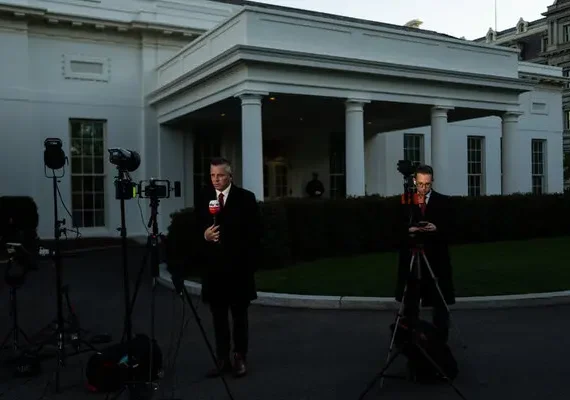
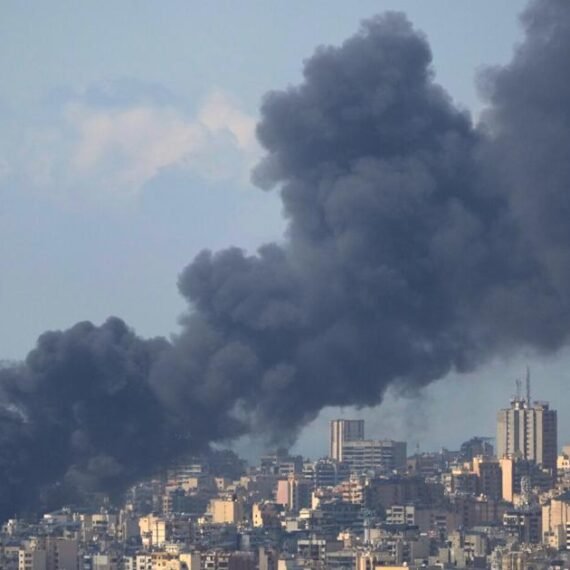
As anti-government demonstrations escalate, gold prices in Iran have become a gauge of the nation’s political climate. In most of Iran’s provinces, protesters have taken to the streets in anger about the country’s economic situation, and violent altercations don’t seem to be slowing the pace of demonstrations.
Whether acquired as dower or from modest amounts taken from household budgets, the metal notably offers a unique sensation of sovereignty. In order to provide financial security in the event of a divorce, a groom will pledge money to his bride. One of the biggest expenses of the wedding ceremony in Iran is still the groom’s purchase of ornate gold jewelry for his future bride.
Gold is a key component of long-term family planning in Iran, where it is seen as the main means of saving for a future home or hedging against financial crises, even though it is regarded as a safe-haven asset for investors worldwide. The fluctuating value of Iran’s currency, the rial, is also connected to cultural influences.
Over the previous eight years, the economy has experienced an average annual inflation rate of 43%, according to official figures from the Central Bank of Iran. When taken as a whole, this indicates that the average cost of goods and services has increased by over 17 times, hence reducing the spending power of 94% of the population.
Also Read:
Peter Duliba: Empowering Businesses for Strategic AI Usage – Europeanmirror