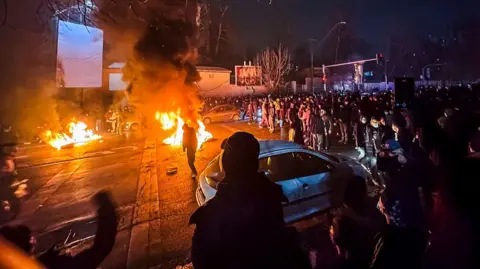
Iran has been under a near-total communications blackout since January 7, with the government cutting domestic telephone services and blocking internet access to the outside world. The shutdown coincided with an intense crackdown on anti-government protests across several major cities, including the capital, Tehran. Security forces moved to suppress demonstrations as public anger spread, limiting the flow of information from inside the country.
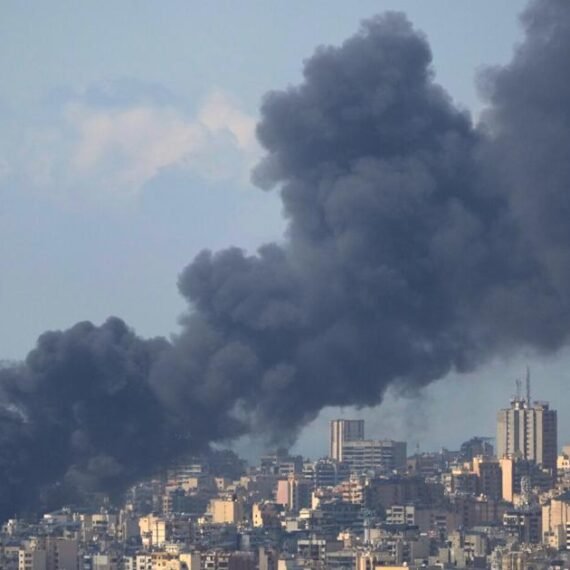
A few days after the blackout began, brief windows of connectivity allowed calls to be made from Iran. Images and accounts that emerged during this period showed disturbing scenes, including large numbers of bodies following violent clashes between protesters and security forces.
Some media outlets and human rights organizations estimate that more than 12,000 people have been killed during the unrest. Iranian authorities strongly reject these figures, saying they are exaggerated and intended to sensationalise events and serve political agendas.
Iranians living abroad have been closely monitoring the situation, often in distress. After days without contact, some were able to speak briefly with relatives inside Iran when limited communication was restored.
Also Read:
After the Shock to Venezuela, Oil Surges while Safe haven Assets also Increase
Tesla Shareholders Accepted Elon Musk’s $1 Trillion Pay Agreement