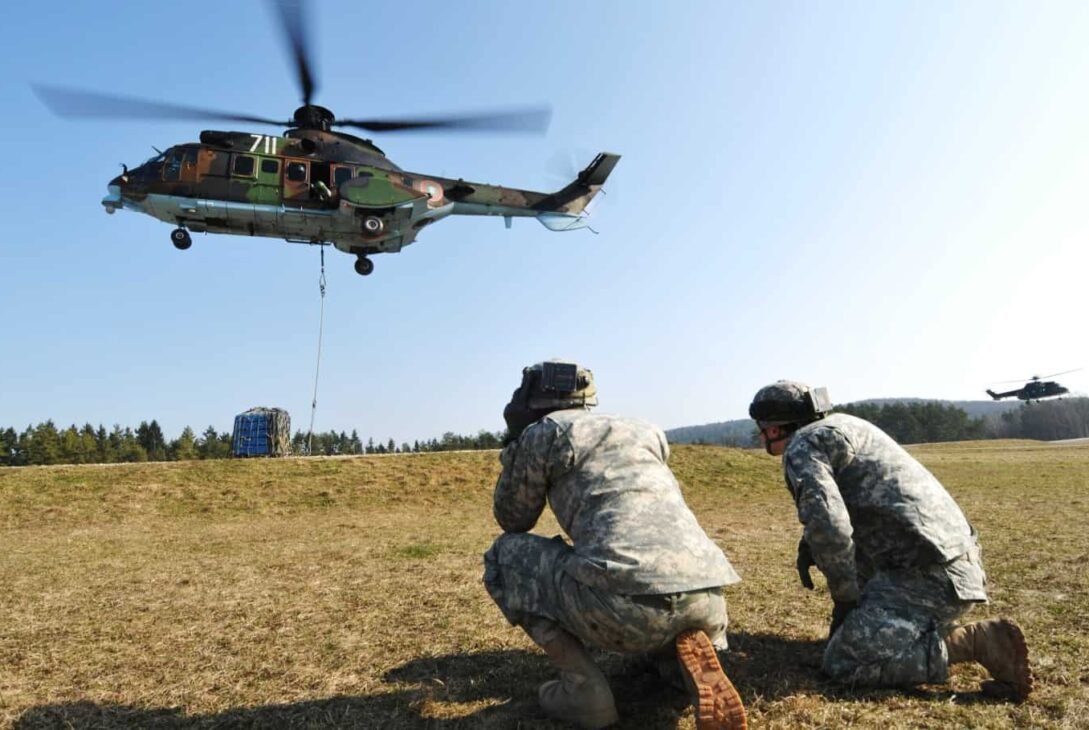
Governments like reservists for three main reasons: they make a lot of people, they have skills that are hard to acquire in the military, and they help connect the military to civilian life. The goal? Increasing strength.
For years, NATO’s reserve forces were not a big part of defence planning. But Russia’s full-scale invasion of Ukraine has forced the alliance to face a hard truth: its current approach to reserves was not right for the scale, speed, and complexity of modern collective defence.
All allies are now working to increase their reserves. They want to bring in people from fields that are increasingly crucial for winning on and off the battlefield, but that don’t always pay well, such as cyber and IT.
Over the past five years, every country has done this in a different way and at a different speed. Brigadier General Gilbert Overmaat, head of the NATO Committee on the Reserves, told Euronews, “But it’s picking up momentum, it’s still picking up momentum. European reserve numbers started to go down in the early 1990s, just like other defence investments. This was because Europe got the peace dividend when the Cold War ended.
Also Read:
Medhat Elabd: A Trusted Financial Strategist at the Helm of ACME Group
Steven Looije: Offering Real Estate Expertise for Smart Investments With HUIS Real Estate