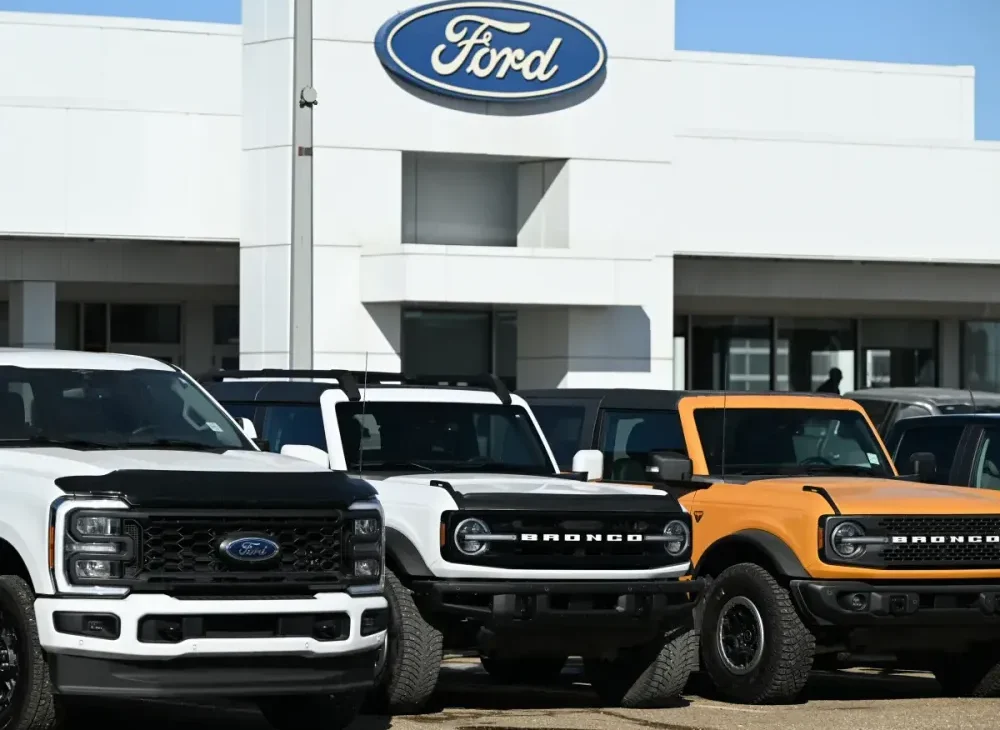
Due to a last-minute modification to the Trump administration’s tariff relief program, Ford said that its tariff expenses were $900 million (£660 million) higher than anticipated the previous year. The program allows automakers who import parts for vehicles built in the US to qualify for credits, which are intended to help offset US President Donald Trump’s taxes.
However, administration officials informed the corporation in December that the program would take effect later than expected, which resulted in lower gains from the credits than expected. According to CEO Jim Farley, “the unexpected and late year change in tariff credits for auto parts” caused Ford to spend over $2 billion more on tariffs in 2025 than it had anticipated.
The volatility that automakers continue to experience as they struggle with tariff expenses and seek exemptions from the levies is highlighted by Ford’s higher-than-expected tariff bill. Separately, Ford had previously revealed that its decision to abandon its plans for electric vehicles will cost it $19.5 billion. Its $11.1 billion fourth-quarter net loss was also a result of those charges. Citing weak demand and recent regulatory changes under Trump, the automaker had announced it was abandoning ambitions to produce massive EVs.
Also Read:
Medhat Elabd: A Trusted Financial Strategist at the Helm of ACME Group
Steven Looije: Offering Real Estate Expertise for Smart Investments With HUIS Real Estate