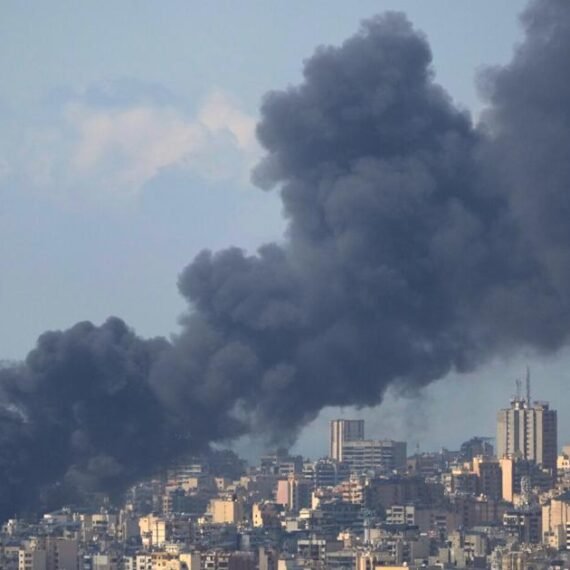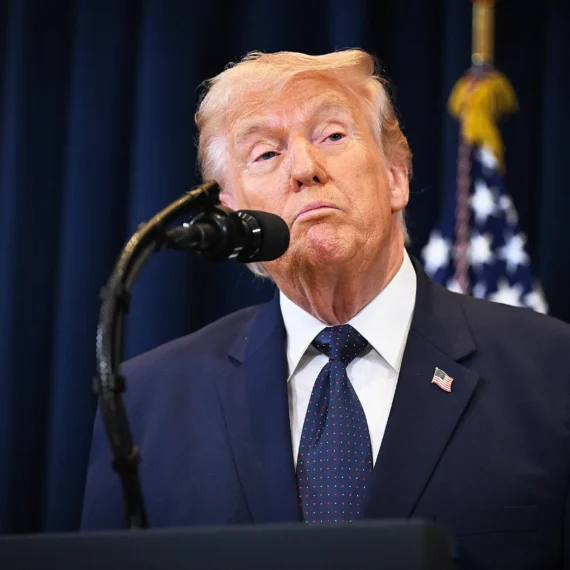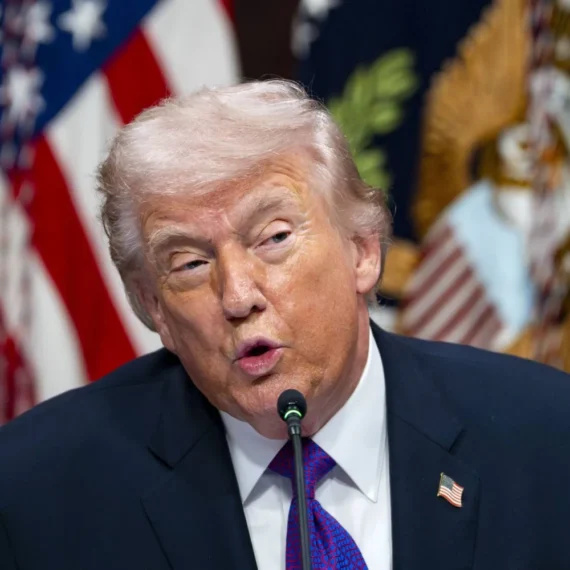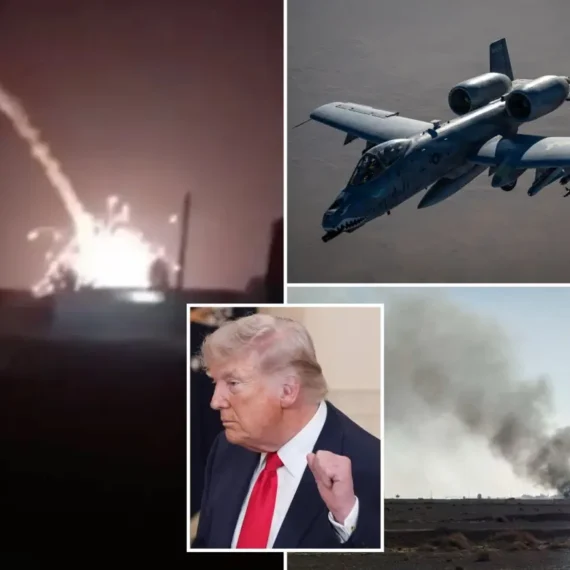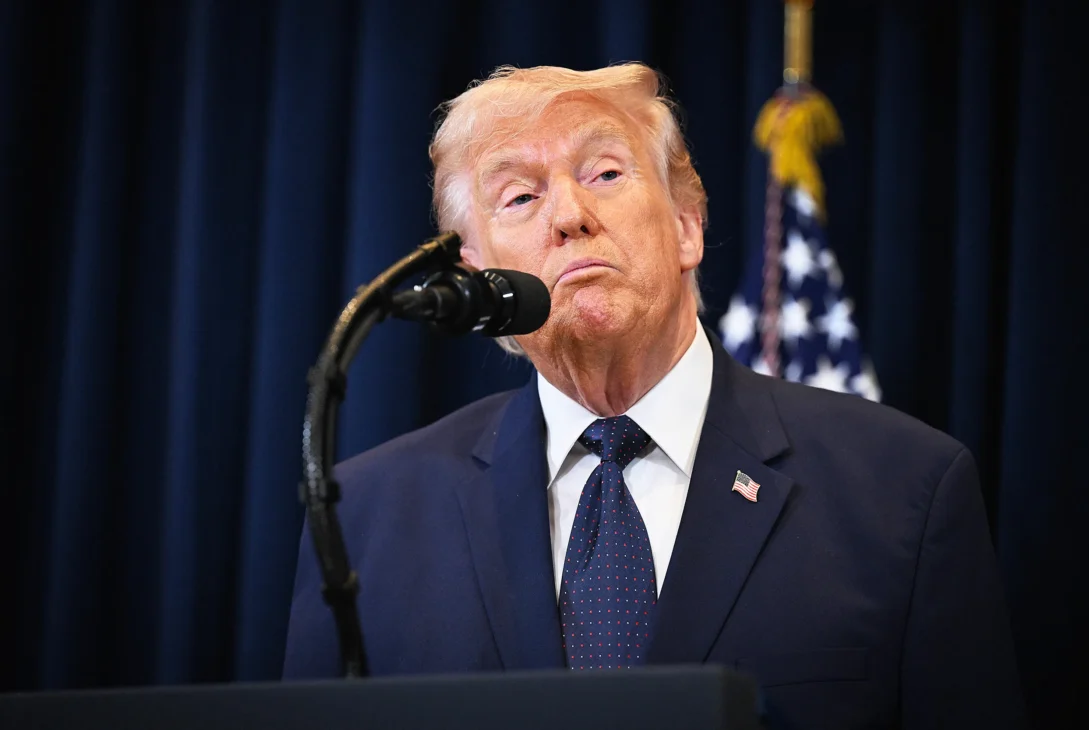
President Donald Trump has hailed a tenuous two-week cease-fire between the US and Iran as a total and complete accomplishment. However, the parameters of the truce illustrate how Iran has utilized control of the Strait of Hormuz to achieve great power over the world economy.
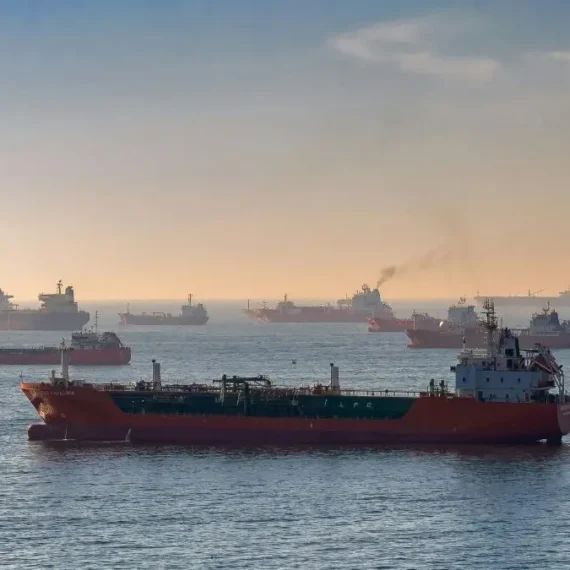
The fact that the ceasefire is conditional on Iran agreeing to reopen the key canal acknowledges Tehran’s control over the world’s most major oil chokepoint – and, with it, significant portions of the global economy.
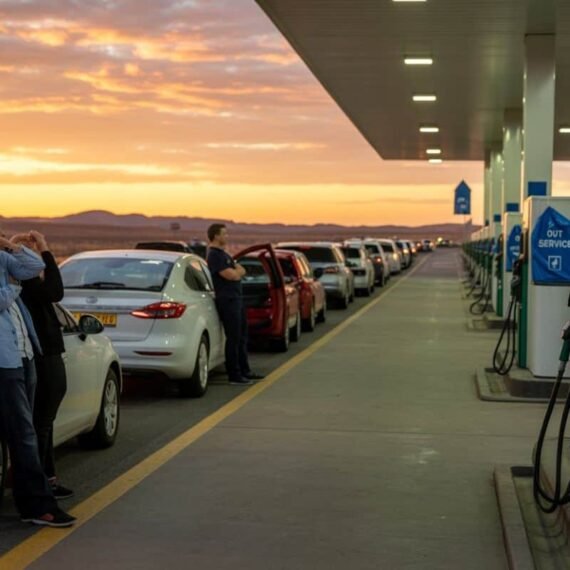
Iran doesn’t need a lot of military might to cause a huge disruption in the global economy,” Brookings energy analyst Samantha Gross told me last month. Investors and traders welcomed the truce, despite analysts’ warnings that global oil supply concerns have not subsided. Crude oil prices fell 15-20% on Wednesday, while benchmark European natural gas prices fell by a similar percentage.
There are significant hurdles to overcome before the ceasefire agreement between the US, Israel, and Iran can translate into a long-term end to the war,” Neil Shearing, chief economist at Capital Economics, warned in a note. “For markets, the most important issue is the status of the Strait of Hormuz.
Also Read:
A Prominent Senator Cautions the Commission not to Abandon the AI Liability Mechanism
Key Trends Developing in Global Equity Markets