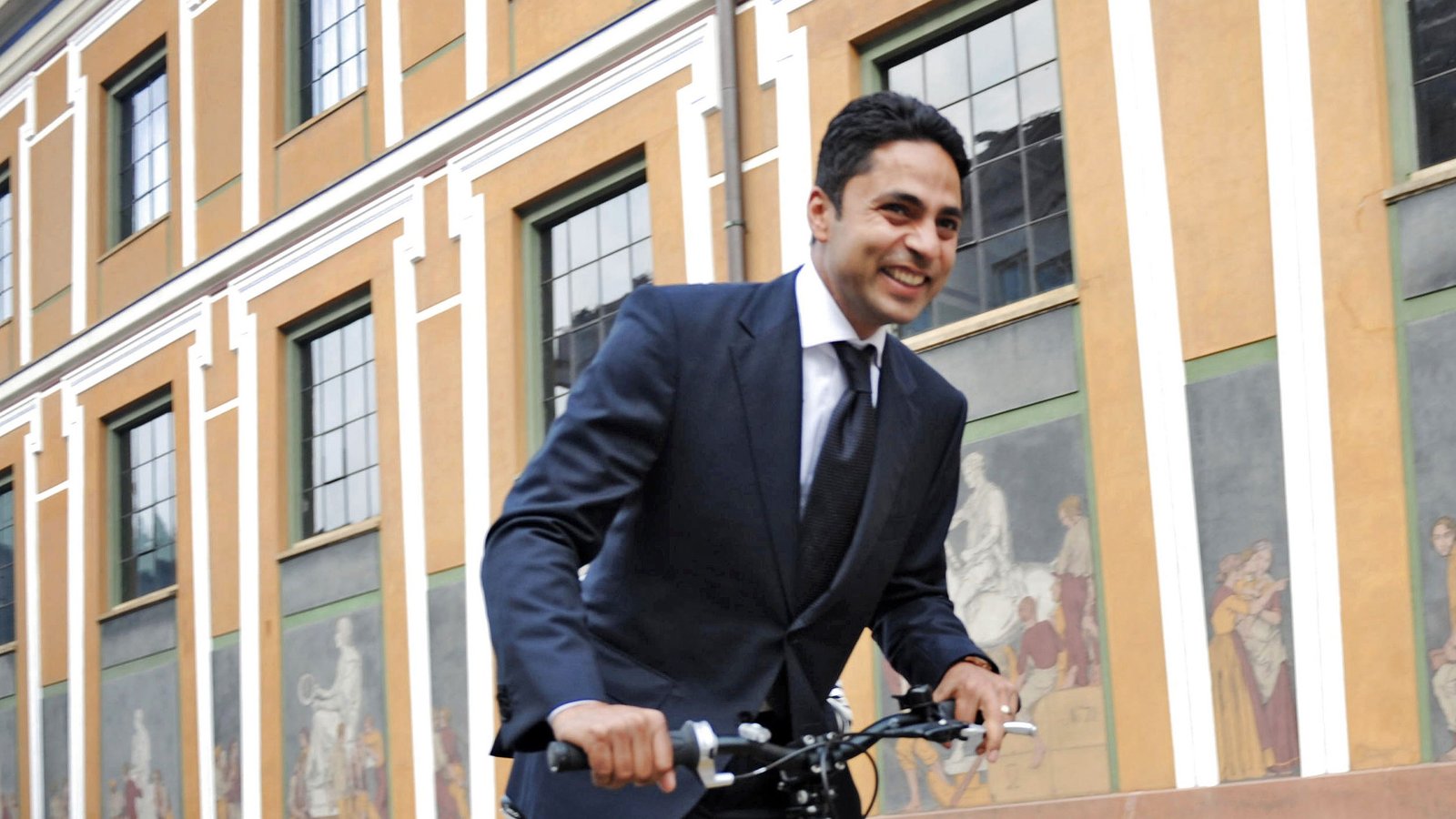
Magnus Heunicke, the Danish minister of gender equality, told Euronews that contemporary EU equality measures must also address the difficulties that men and boys experience, especially in order to combat polarization and opposition to gender equality.
Heunicke stated that the bloc should step up its efforts in areas where men and boys are overrepresented or face gender-specific challenges, like health, loneliness, or social exclusion. “We must include men and boys in our gender equality efforts, not just as allies for women and girls’ rights and empowerment, but in their own right,” he said.
A known social phenomenon connected to economic concerns and societal change, particularly among younger generations, is the belief held by some men that women’s rights pose a threat to their own.
MEP Maria Walsh of the Irish/European People’s Party told Euronews, “the rise of misogynistic influencers has led some people to mistakenly believe that equal rights for women means removing rights from men, (…) but I don’t believe that what we read online and watch on TV accurately reflects the situation on the ground.”
50 per cent of Gen Z males and 56 per cent of millennial men believed their nation had “gone too far in promoting women’s equality,” according to a 2025 study of over 24,000 people in 30 nations. The most recent EU elections also demonstrated this growing gender gap, with 17.2% of men under 25 voting for a far-right party, nearly twice as many as 9.5% of women in the same age range.
Also Read:
In Texas, a Deadly Measles Outbreak Does little to Dispel Vaccine Skepticism