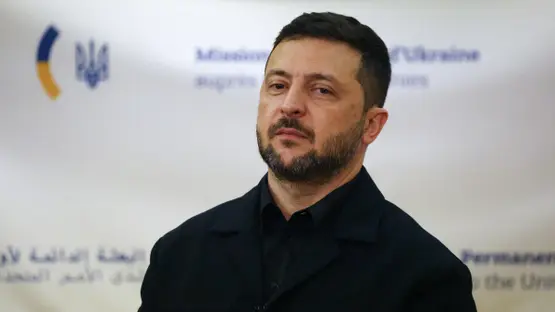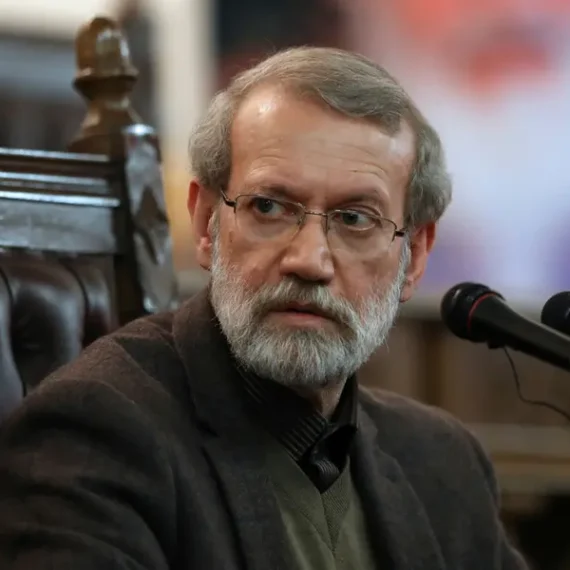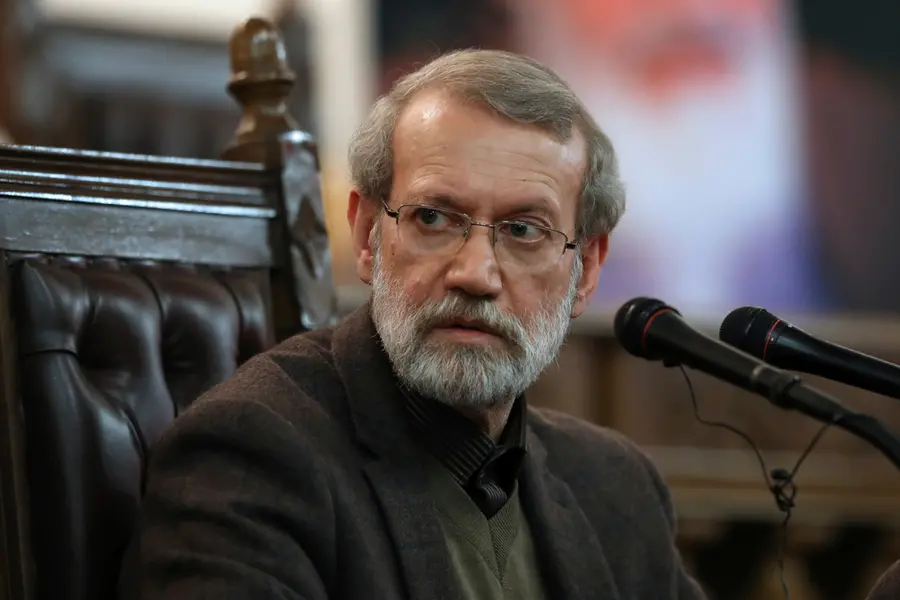
Ali Larijani, Iran’s security head, was murdered in an Israeli airstrike, depriving the Islamic Republic of one of its most seasoned and powerful leaders at a crucial juncture. Larijani was not a military commander, but he was a central figure in shaping Iran’s strategic decisions.
He was in charge of making decisions about national security, diplomacy, and war as secretary of the Supreme National Security Council. His voice was heard across the system, especially when it came to handling Iran’s conflict with Israel and the United States.
After the killing of Supreme Leader Ali Khamenei on 28 February, Larijani struck a defiant tone, signalling that Iran was prepared for a long conflict. His death, now confirmed by state media, comes amid a broader campaign in which several senior Iranian officials and commanders have been killed within a matter of weeks. This pattern points to a persistent attempt to undermine Iran’s wartime leadership structure.
Larijani was frequently referred to as a pragmatic in Iran despite his strong opposition to the West. He combined ideological loyalty with a technocratic approach, favouring calculated strategy over rhetoric. He remained deeply sceptical of engagement with Western powers, but he was also involved in key diplomatic efforts, including acting as an envoy in Iran’s long-term co-operation agreement with China.
Also Read:
Top Democrats Attempt to Persuade Europe That Trump will Leave Office in Three Years
Peter Duliba: Empowering Businesses for Strategic AI Usage – Europeanmirror