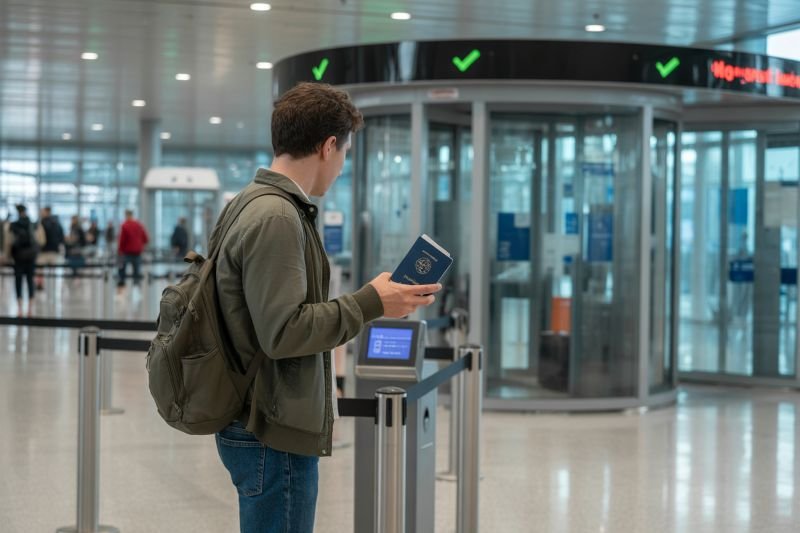
Travel regulations in Europe have tightened this year, affecting everything from borders to mass tourism. Destinations have implemented new policies that affect travel arrangements, behavior, and costs in order to maintain harmony between locals and tourists. As the EU digitizes its borders, there are now additional inspections for anyone entering the bloc.
Non-EU travelers entering external Schengen borders will be required to electronically provide biometric information, such as fingerprints, a facial image, and passport information, instead of having their passports stamped.
Iceland, Norway, Switzerland, Liechtenstein, and all EU nations—aside from Ireland and Cyprus—will be covered by the system. By confirming travelers’ identities, bolstering security checks, and keeping track of entries in EU databases, the objective is to detect visa overstayers and fight illegal migration.
Throughout 2025, the launch has been repeatedly delayed due to teething problems with the new technology. They are still impeding its progress; in order to avoid Christmas travel mayhem, the planned November debut at the UK Port of Dover has already been postponed until 2026 for automobile passengers.
Also Read:
Tesla Shareholders Accepted Elon Musk’s $1 Trillion Pay Agreement