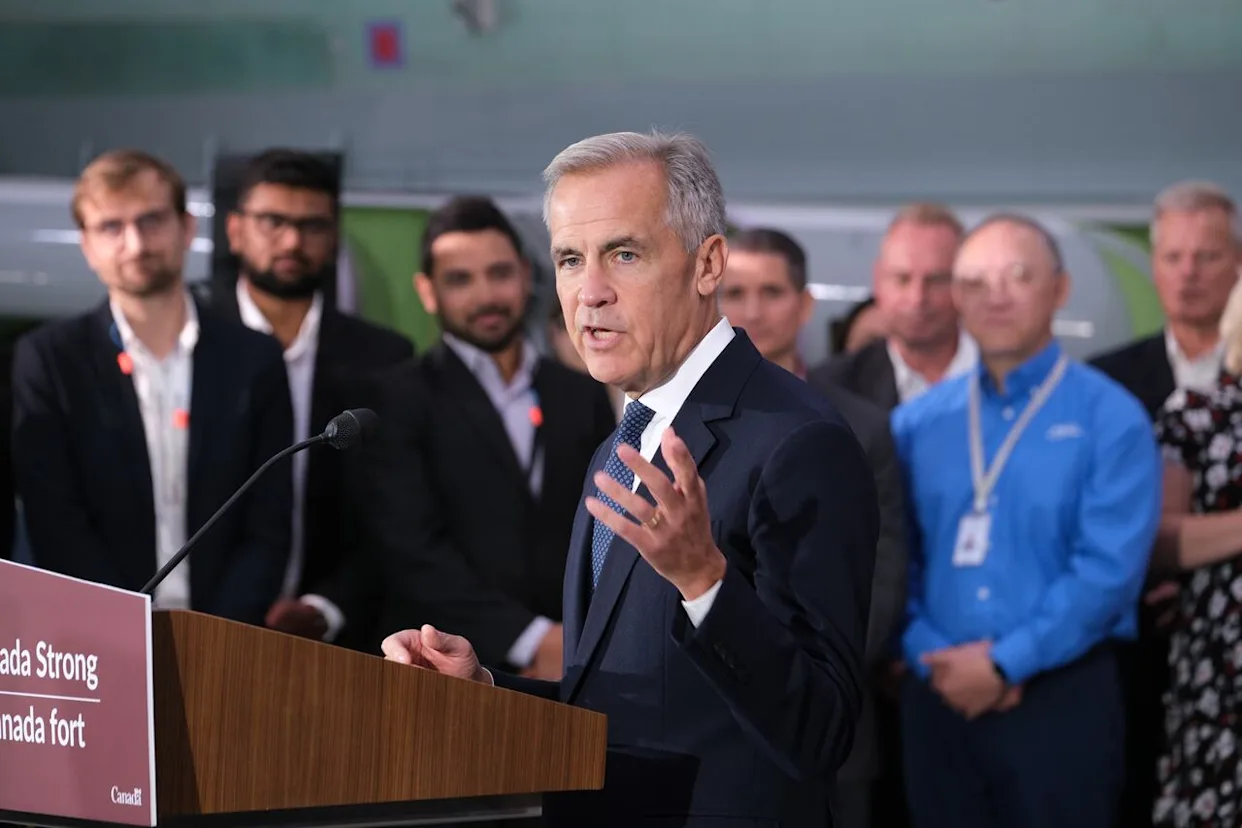
Prime Minister Mark Carney has paused Canada’s 2026 electric vehicle (EV) sales target while unveiling a new “Buy Canadian” policy, as his government responds to U.S. trade pressures and a slowing domestic economy.
Under the changes announced Friday, automakers will no longer be required to ensure that 20% of new cars sold next year are electric. Instead, Ottawa will prioritize Canadian-made products in federal contracts and create a fund to help firms develop new goods.
The move comes amid mounting economic strain. Canada lost 66,000 jobs in August, pushing unemployment to 7.1%. “We cannot control what other nations do,” Carney said. “We can control what we give ourselves, what we build for ourselves.
While the near-term EV target is paused, the broader goals of 60% zero-emission sales by 2030 and 100% by 2035 remain. Ottawa will also launch a 60-day review of the EV rules. Last year, EVs accounted for 11.7% of sales, according to government data.
Conservative leader Pierre Poilievre accused Carney of “flip-flopping” after once advocating a 2030 ban on petrol and diesel cars, calling the delay a “clumsy retreat” that risks deterring auto investment.
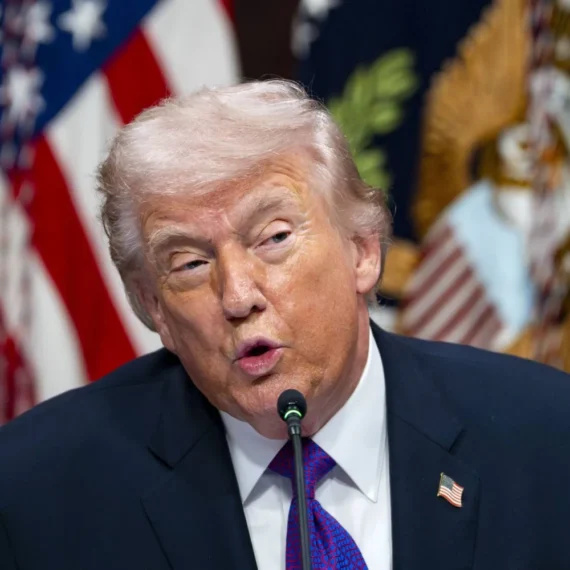
Carney defended the decision, pointing to President Donald Trump’s 25% tariff on foreign vehicles. He argued that easing the EV timetable would give Canada’s auto sector more room to adapt, while exemptions for Canadian and Mexican producers would help soften the impact.
Also Read:
Medhat Elabd: A Trusted Financial Strategist at the Helm of ACME Group
Steven Looije: Offering Real Estate Expertise for Smart Investments With HUIS Real Estate