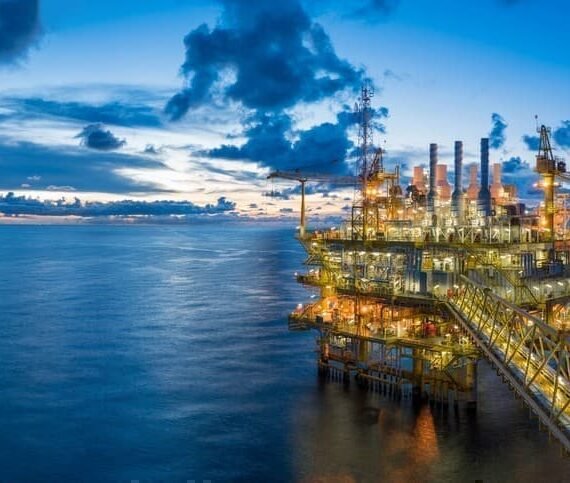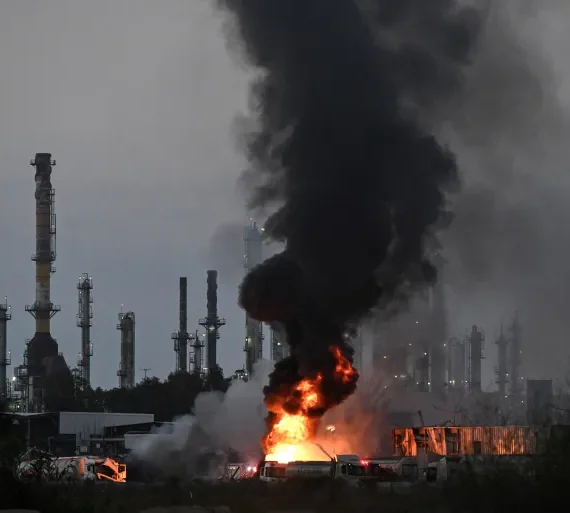
After an Iranian official threatened to “set fire to anyone who tries to pass through” the vital Strait of Hormuz shipping route, gas prices increased at the quickest rate in almost three years, and financial markets plummeted.
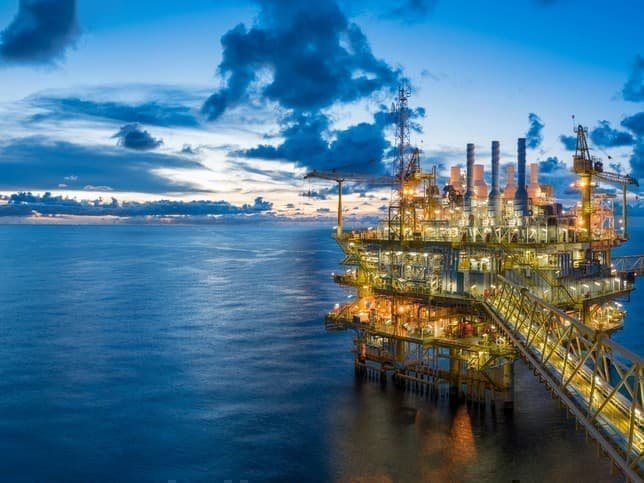
Oil rose more than 5% to $82 a barrel, while gas prices jumped more than 30% after making significant gains on Monday as the war between Iran and the US and Israel raged on. While the stock markets in France and Germany plummeted, the FTSE 100 index in the UK sank 2.6%.
The conflict’s effects on the financial markets, inflation, and the possibility of interest rate cuts by central banks are all factors that investors are considering. Gas prices hit their highest point since January 2023 on Tuesday, rising to almost 150p per therm.
Home energy expenses may be impacted by rising gas prices, but in the UK, a price cap has been in place until July, so any effects would not be felt until then. However, increased oil prices can also affect the economy by raising the cost of goods such as food and transportation. In the coming months, central banks may be less inclined to cut interest rates if inflation, the rate at which prices rise, accelerates.
Also Read:
Christoph Klein: Reimagining Sustainable Investment with ESG Portfolio Management
Dr. Akintoye Akindele: Empowering the Future of Africa through Investment and Leadership