The first shock came from Washington in 2025. It wasn’t the only one, though.
With the implementation of a nationalist trade policy and broad tariffs on partners throughout the globe, the largest economy in the world quickly turned inward.
Trade flows have to be rerouted, with many of them going to Europe. Beijing started weaponizing the world’s reliance on rare earths, which are vital to Europe’s technology industry, at the same time that tensions between the US and China increased.
Then, Ursula von der Leyen, president of the European Commission, issued a warning about the consequences of a “second China shock,” which she defined as the sharp rise in Chinese exports and industrial overproduction that would overwhelm the European market and endanger domestic manufacturers.
Despite its efforts to diversify trade links and response mechanisms, the EU, committed to its rules-based order, finds itself with little leverage to resist a new global trade order that is moving away from international rules and global collaboration.
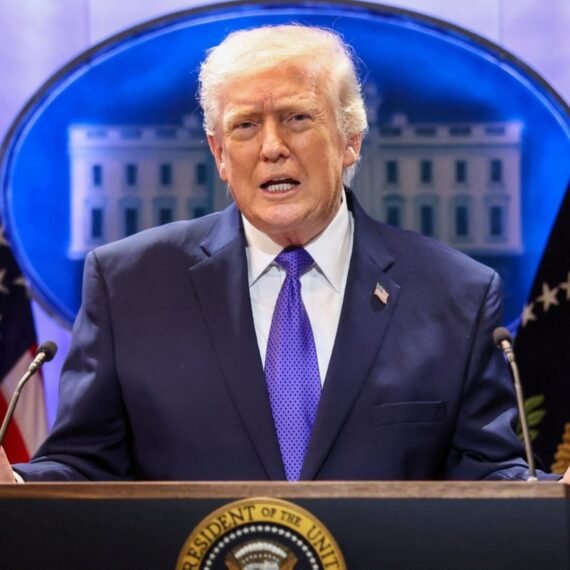
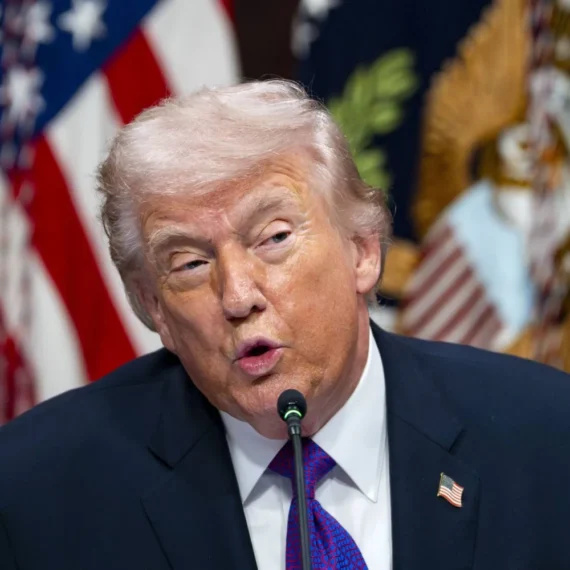
Following Donald Trump’s reelection, the White House launched its most aggressive trade offensive in a century, imposing higher tariffs on the EU while China increased pressure by restricting shipments of vital minerals required to manufacture everything from washing machines to airplanes.
Also Read:
Tesla Shareholders Accepted Elon Musk’s $1 Trillion Pay Agreement