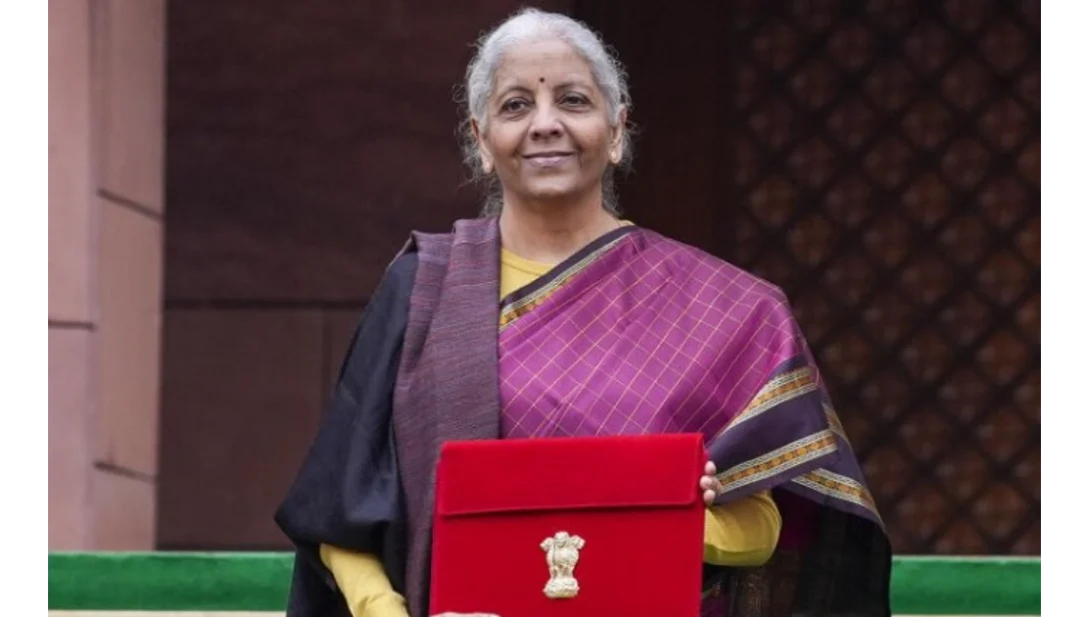
Nirmala Sitharaman, India’s Finance Minister, has delivered her annual budget for 2026-27, pledging increased infrastructure expenditure and initiatives to encourage domestic industry despite mounting global uncertainty.
According to India’s Economic Survey, the country’s GDP is forecast to rise by 7.4% this fiscal year, but economic progress would slow significantly next year as US President Donald Trump’s 50% tariffs on Indian exporters begin to take effect.
The budget has a heavy emphasis on fiscal management, with a smaller deficit for the following fiscal year. The fiscal deficit refers to the difference between the government’s total expenditure and total revenue.
The Narendra Modi government has prioritised infrastructure projects such as roads, ports, and railways over the last decade, and 2019 budget continues to increase allocations to these areas.The capital spending plan for the 2019 fiscal year beginning April 1 has increased by 9% to 12.2 trillion rupees ($133.1 billion; £105 billion) from 11.1 trillion rupees.
Defence spending has also increased by more than 20% in response to rising geopolitical tensions worldwide. The government has recommended increasing manufacturing in seven vital industries, including semiconductors, data centers, textiles, and rare earths, despite sluggish private investment and a flight of foreign capital from India.
Also Read:
Christoph Klein: Reimagining Sustainable Investment with ESG Portfolio Management
Dr. Akintoye Akindele: Empowering the Future of Africa through Investment and Leadership