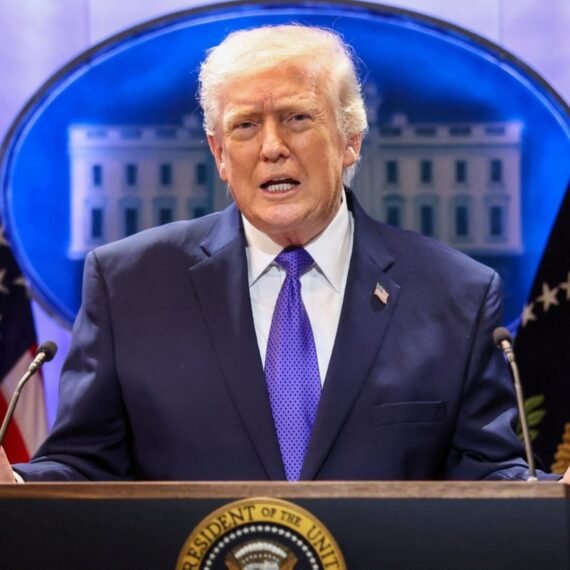
The European Union believed it had permanently banished the energy issue, but U.S. President Donald Trump’s choice to attack Iran, seek regime change, and alter the balance of power in the Middle East has brought it back to life.
Gas costs have skyrocketed due to the spiraling war, causing governments and investors to become anxious. Gas prices at Europe’s main trading hub, the Title Transfer Facility (TTF), closed Tuesday at €54.3 per megawatt-hour (MWh), a sharp increase from €31.9 MWh on Friday, the day before Trump approved the first strikes on Iran.
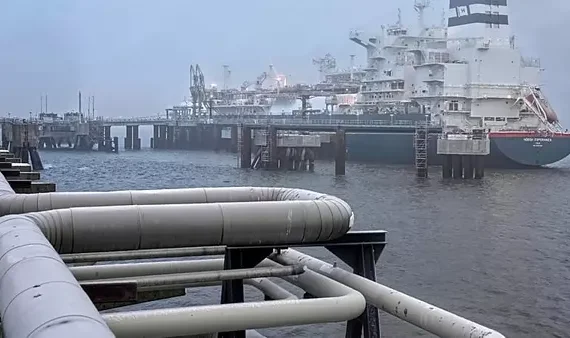
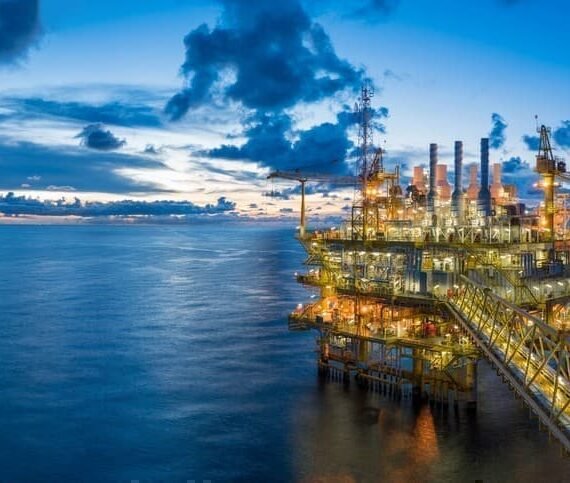
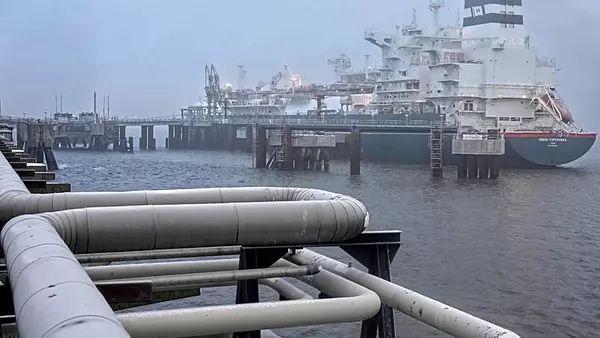
A series of alarming developments, chief among them Qatar’s decision to suspend LNG production following Iran’s retaliatory strikes, have contributed to the abrupt increase. One of the major suppliers of LNG worldwide is Qatar.
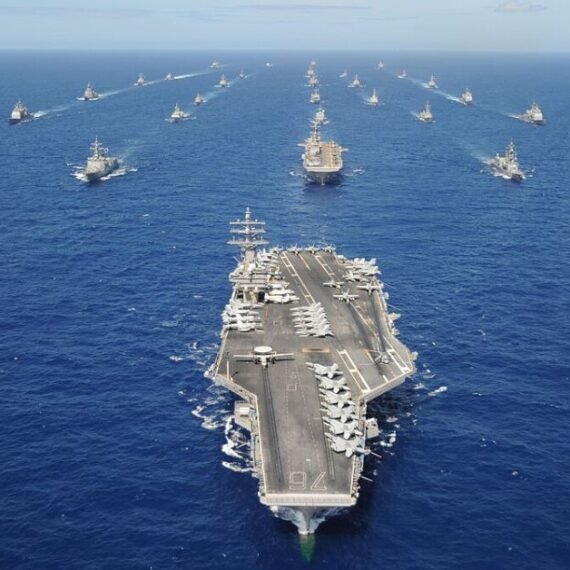
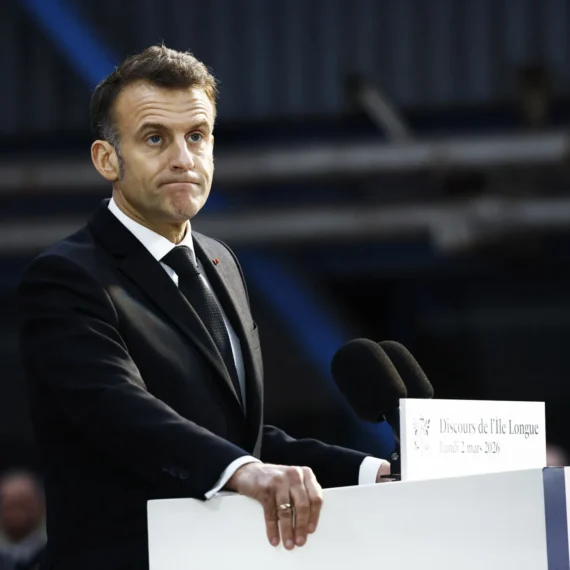
Markets have been further unsettled by Trump’s confidence in the US military to sustain the bombardment “far longer” than his estimated five weeks and the successful blockade of the Strait of Hormuz, a crucial energy export route from the Middle East. Already, EU leaders are on high alert. The Netherlands’ incoming prime minister, Rob Jetten, stated that his administration will be prepared to go beyond the call of duty “if necessary”.
Also Read:
Medhat Elabd: A Trusted Financial Strategist at the Helm of ACME Group
Steven Looije: Offering Real Estate Expertise for Smart Investments With HUIS Real Estate