Concerns about supply disruption have led to a dramatic increase in energy prices as oil markets respond to the ongoing conflict in Iran, which has threatened energy facilities in Gulf nations. This is the most recent phase in more than ten years of steadily declining economic relations between the EU and Iran as a result of sanctions. Due to severe human rights abuses and Iran’s ongoing backing of Russia’s war against Ukraine, the EU imposed additional sanctions in late January 2026.
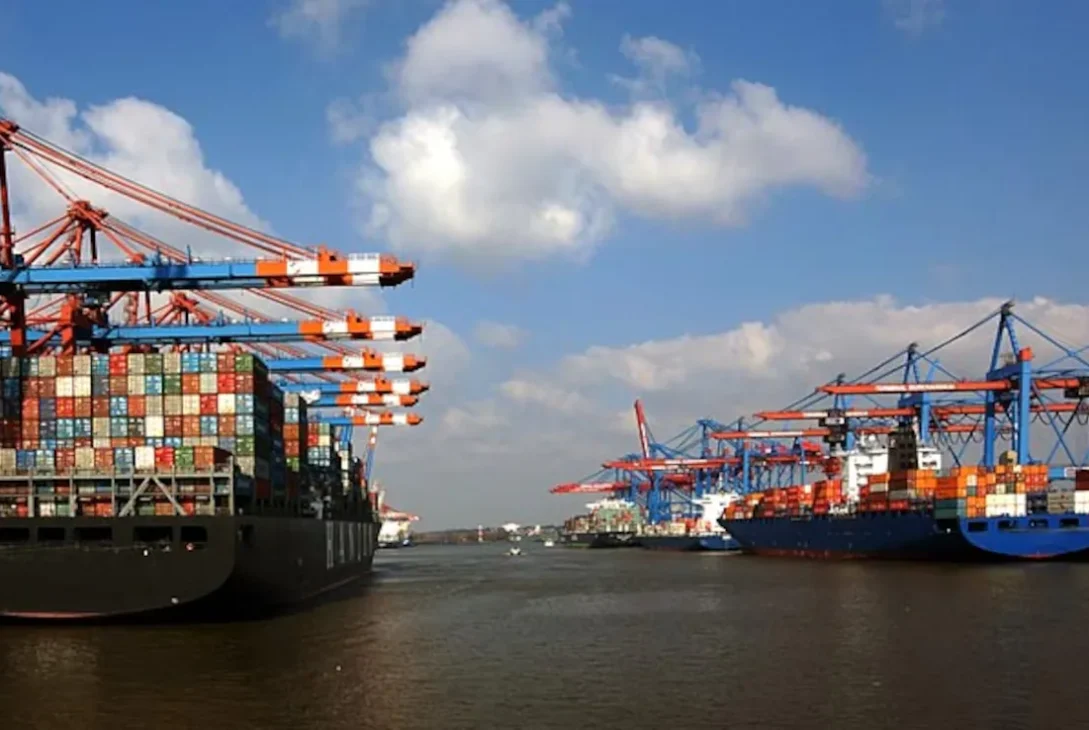
Trade nevertheless persists, albeit on a far lesser scale than in the past. According to Eurostat, the EU and Iran traded €3.72 billion worth of goods in total in 2025. EU exports totaled €2.97 billion, while imports were valued at €0.76 billion. As a result, the EU benefited from a trade surplus of almost €2.2 billion.
In 2024, two-way service trade came to €1.56 billion. EU service exports totaled €0.87 billion, while imports totaled €0.69 billion. Iran is still a modest trading partner of the EU. Its percentage of imports was nearly zero in 2025, and it made up only 0.1% of EU exports. Both shares had increased by about 1% or a little more in the middle of the 2000s.
Also Read:
Medhat Elabd: A Trusted Financial Strategist at the Helm of ACME Group
Steven Looije: Offering Real Estate Expertise for Smart Investments With HUIS Real Estate