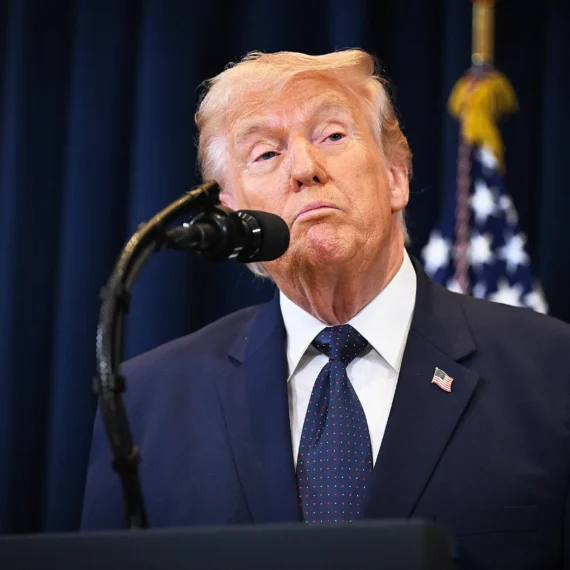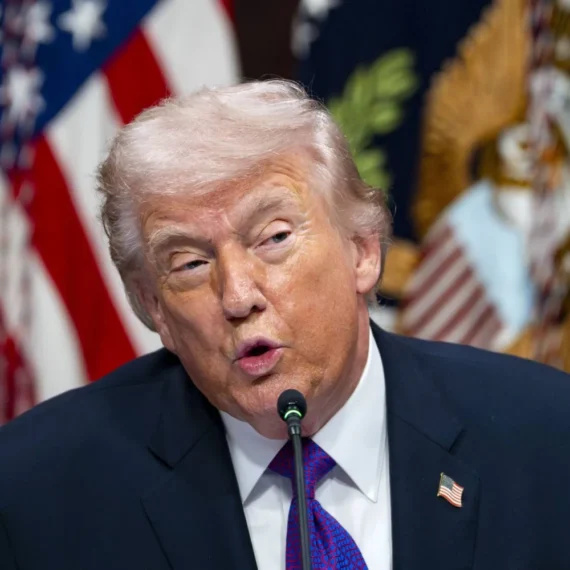
Donald Trump’s decision to impose a 20% universal tariff on the bloc has upended deeply ingrained commercial ties between the two sides of the Atlantic. This decision threatens to destroy dependable supply chains, increase production costs, cause inflation, destroy successful businesses, and erase countless amounts of value from imports and exports.
Described as “reciprocal” by Washington but “neither credible nor justified” by Brussels, the tariffs are perceived as a strong attempt to unilaterally reshape the post-World War II multilateral economic order, which the EU has continuously supported and advanced through many trade agreements.
While holding its cards close to the vest in case of retribution, the EU is stepping up its efforts to find a negotiated settlement, as billions are in danger of destruction.
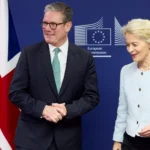
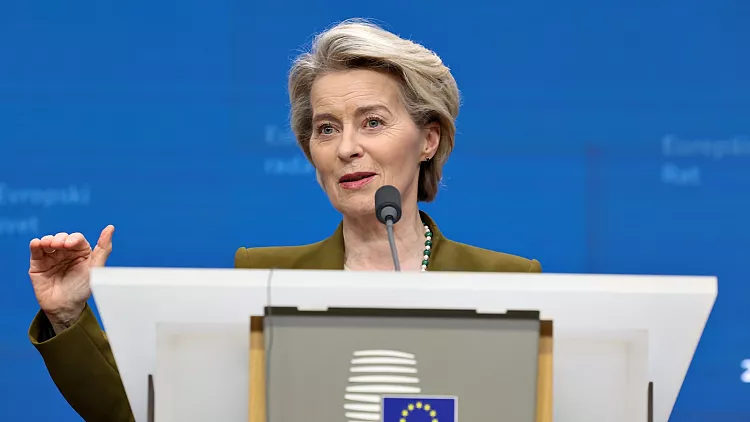
The rationale is obvious: she has a great deal of discretion in deciding how to respond to Trump’s disruptive tariffs because the European Commission, which she leads, has the sole authority to establish the 27-nation bloc’s commercial policy. Von der Leyen, a strong supporter of transatlantic relations, has previously offered to lower the temperature by removing all industrial products tariffs in a “zero-for-zero” agreement.
A reasonable price is always welcome in Europe. Therefore, we leave it open,” the Commission’s president stated Monday. However, we are also ready to defend our interests and retaliate with countermeasures.
Also Read:
Key Trends Developing in Global Equity Markets
The ECB identifies Trade Tariffs and the Competitiveness Gap as Growth Threat