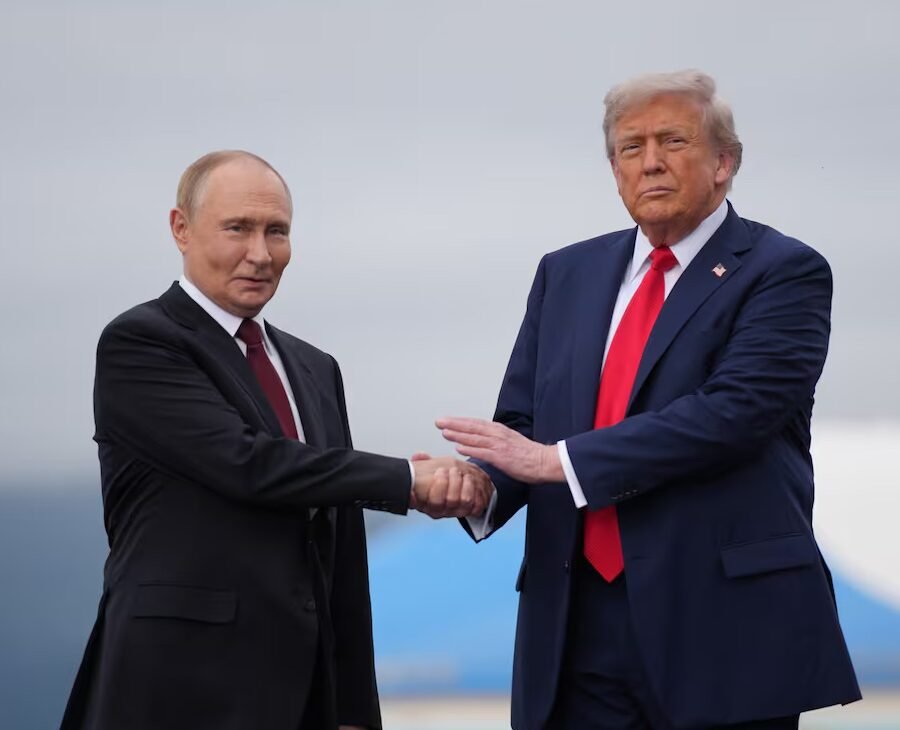
For decades, the Kremlin has pursued a strategy aimed at driving a lasting divide between the United States and Europe, weakening what it sees as its main rivals in the West. Russia has consistently relied on tactics such as sabotage and disinformation to erode trust in Western institutions, which Moscow views as barriers to its territorial ambitions and its desire to reclaim the influence and power it held during the Soviet era.
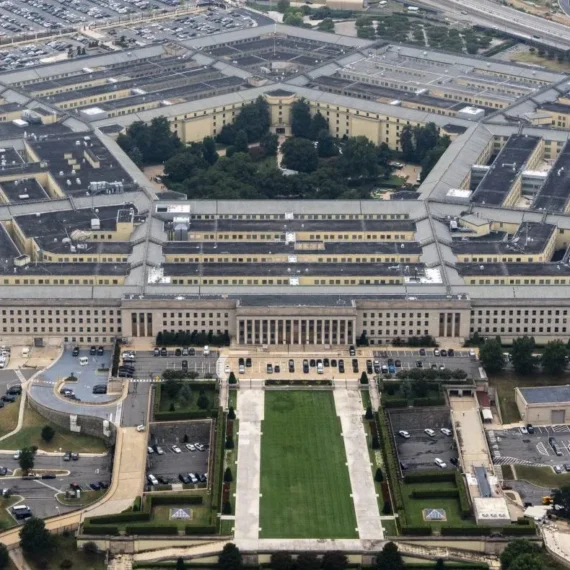
Undermining NATO has long been one of the Kremlin’s most significant objectives, a goal that has gained renewed importance since the war in Ukraine. Russian leaders have repeatedly cited concerns over NATO’s expansion as justification for launching their full-scale invasion nearly four years ago.
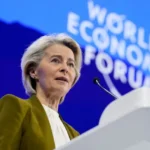
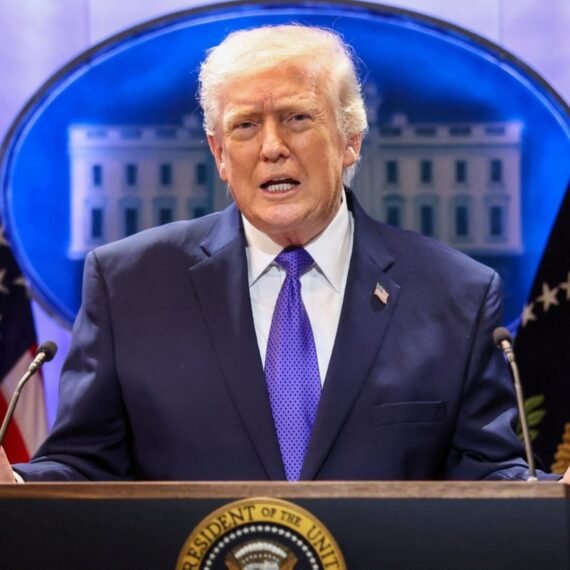
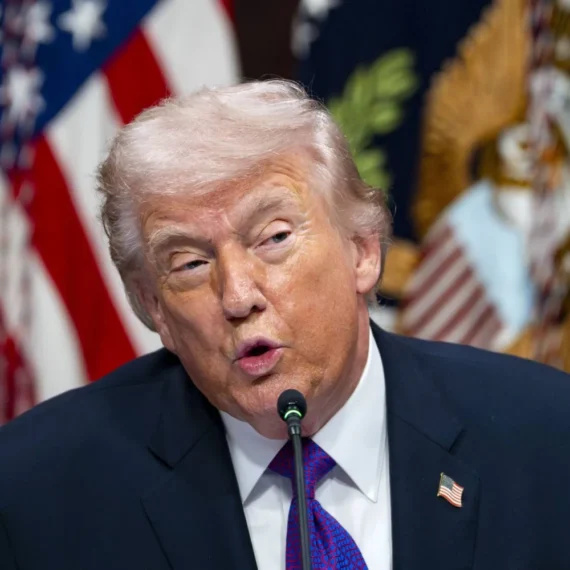
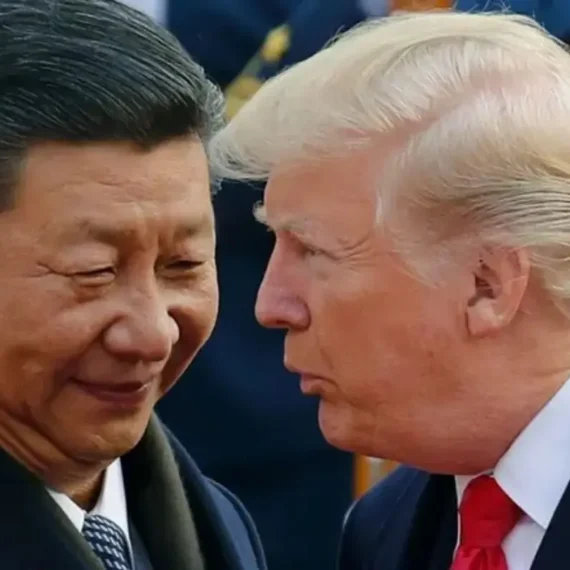
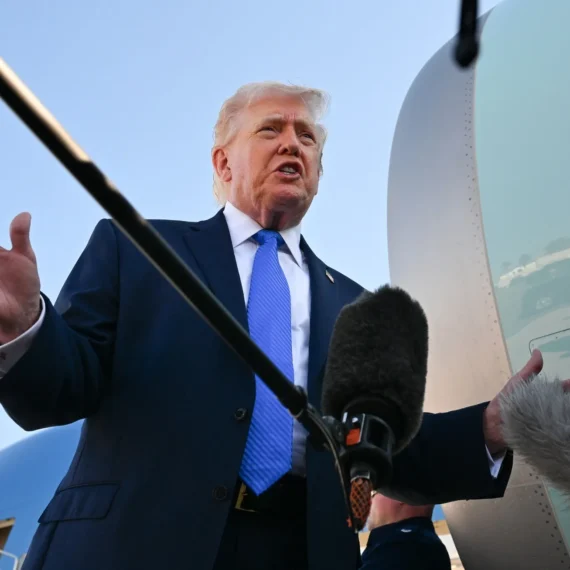
Against this backdrop, tensions within the Western alliance are being closely watched in Moscow. The prospect of unity among NATO members weakening, particularly over the unexpected issue of Greenland and US President Donald Trump’s overtures toward the Danish territory, is likely being met with quiet satisfaction in Kremlin circles. For 80 years, NATO has served as a central pillar of defence against Russian aggression. As Western allies argue among themselves, Russia remains on the sidelines, observing divisions among its long-standing adversaries.
Also Read:
Iranian Gold: From a Refuge to a Stronghold of Political Opposition
Peter Duliba: Empowering Businesses for Strategic AI Usage – Europeanmirror