As US tariffs on Chinese imports surged earlier this year, Derek Wang prepared for tough times ahead. The 36-year-old entrepreneur from Guangdong, who sells smart cookware, watched as American orders dried up. Determined to adapt, he turned to new markets finding customers in Brazil, Japan, Malaysia, and Cambodia. The experience taught him a vital lesson: “Nothing is more important than the markets close to us.
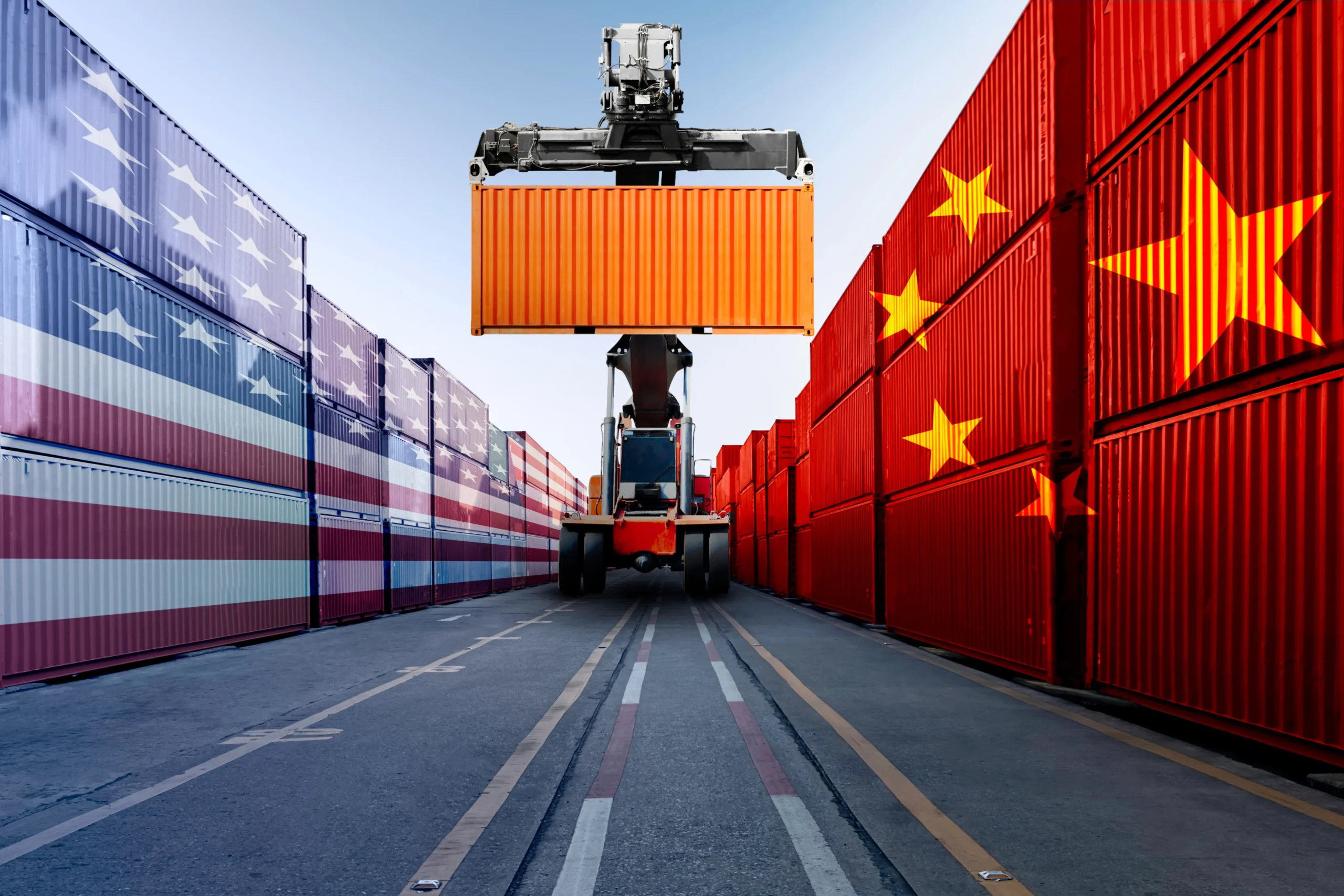
Wang’s story mirrors a broader shift across China’s vast export sector. Faced with soaring US duties, some reaching triple digits, Chinese businesses of all sizes rushed to redirect goods elsewhere. That scramble has paid off. Instead of suffering from a US slowdown, China’s exports have strengthened in other global markets, extending its trade influence and reinforcing safeguards put in place during the earlier phase of Donald Trump’s trade war.
This resilience has also emboldened Beijing in recent trade talks. In October, Trump and President Xi Jinping reached a truce that lowered new tariffs on Chinese goods to 20 percent. Yet, China’s aggressive export push has also widened its global trade surplus, which almost hit one trillion dollars last year a gap that has long irritated foreign governments and helped trigger the trade conflict.
Also Read:
In Texas, a Deadly Measles Outbreak Does little to Dispel Vaccine Skepticism