The United Arab Emirates (UAE) has announced its unexpected exit from Opec, the Organization of Petroleum Exporting Countries. Emiratis were members even before they became a nation state in 1971.
Opec is an organization of primarily Gulf oil exporters that has for decades regulated the price of crude oil by reducing or raising production and allocating quotas among its members. It played a critical part in the 1970s oil crises, which influenced global energy policy.
Saudi Arabia dominates Opec output, although the UAE has the second biggest spare production capacity. In other words, it was the second-largest swing producer, capable of raising output to help down prices.
Indeed, this is what prompted the UAE to alter its position over time. Simply put, the UAE intended to put its significant investment in capacity to good use. Opec restrictions capped production at 3-3.5 million barrels per day. The UAE was making disproportionate sacrifices in terms of lost revenue as an Opec member.
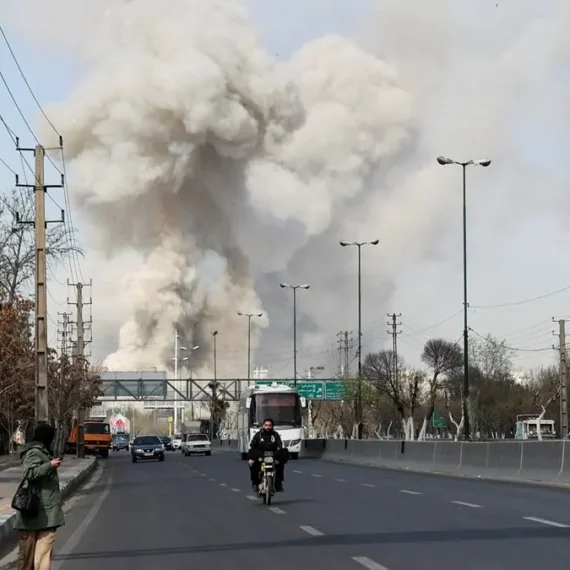
The timing of this move, however, suggests that it will have ramifications from the Iran war. The Gulf pressure cooker has damaged the UAE’s ties with Iran and may exacerbate its already tense relationship with Saudi Arabia. Opec suffers a huge setback at a time when serious issues about its long-term viability are being raised.
It’s not simply that the UAE plans to produce 5 million barrels per day once its oil is fully recovered by sea or pipeline. Saudi Arabia may respond with an oil price war that the UAE’s more diverse economy can endure, but weaker OPEC members may not.
Also Read:
Christoph Klein: Reimagining Sustainable Investment with ESG Portfolio Management
Dr. Akintoye Akindele: Empowering the Future of Africa through Investment and Leadership